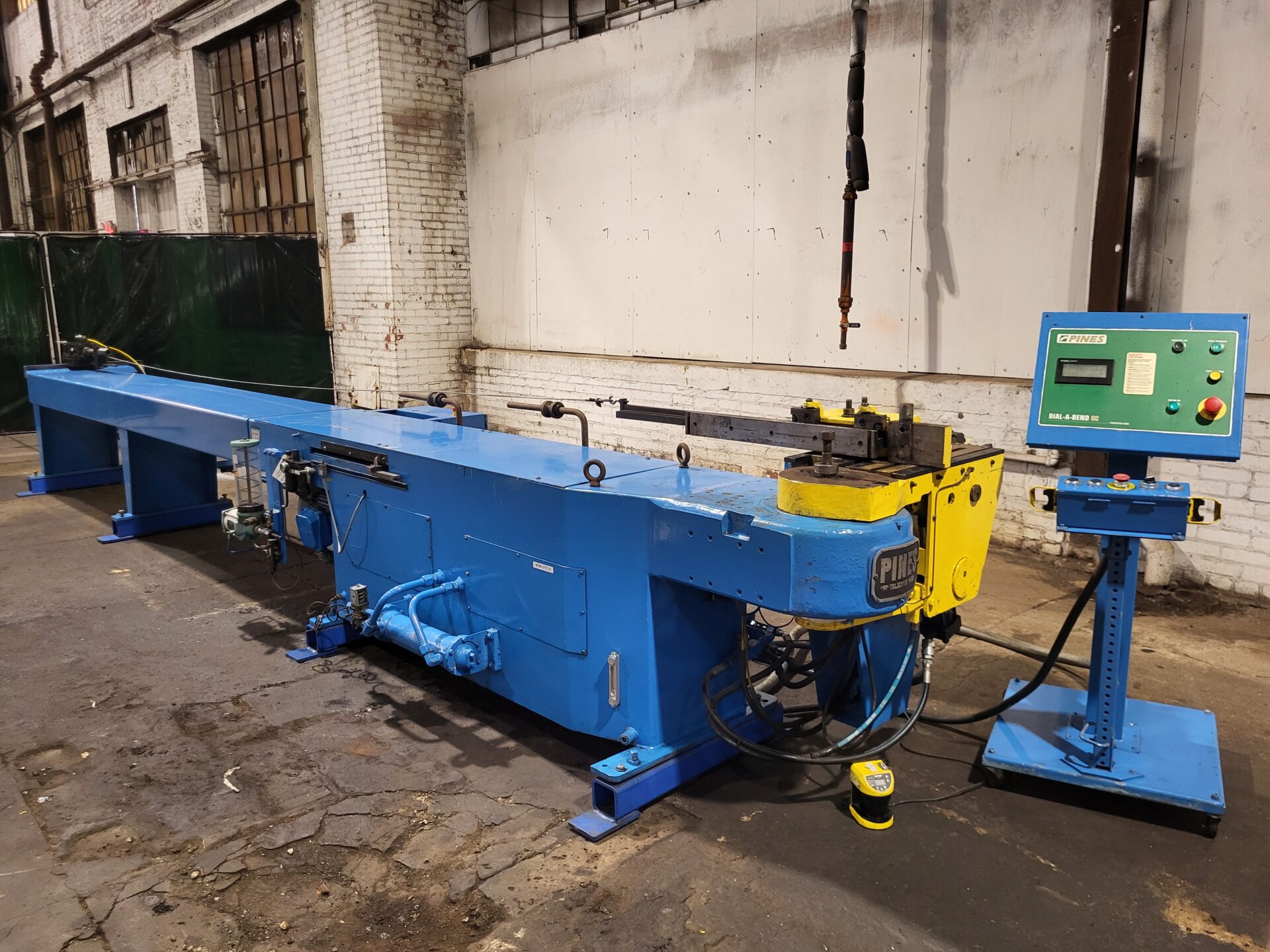
Precision Performance: A Guide to Selecting Exhaust & Muffler Pipe Benders
Fabricating high-performance exhaust systems is a game of fine margins. You̵…
Read BlogVisit us at AMI Plastics World Expo – Booth #R2506 – Nov. 11-12 – Huntington Convention Center - Cleveland, OH
The rules of industrial equipment procurement have changed – permanently.
What was once a straightforward decision, import a machine from overseas at a lower upfront cost, is now one of the most expensive mistakes a production manager or procurement director can make. With the average effective U.S. tariff rate sitting at its highest point since 1909, and new duties on steel, aluminum, and industrial machinery stacked on top of Section 232 tariffs, the cost of sourcing foreign equipment has skyrocketed.
For manufacturers scaling operations, replacing aging assets, or expanding production capacity in 2026, the math is simple: domestic machinery is no longer just a patriotic preference – it is a strategic financial necessity.
This post breaks down what is happening with tariffs, why it directly impacts your equipment purchasing decisions, and how sourcing U.S.-based used industrial machinery from AM Industrial gives your operation a decisive competitive advantage.
The current tariff environment is not a short-term disruption. It is a structural shift in U.S. trade policy – one that has compounded year over year since 2025.
Here is what industrial equipment buyers are facing right now:
The most tariff-impacted manufacturing subsectors in 2025 were machinery, furniture, apparel, and primary metals production – a direct signal that industrial equipment buyers are feeling this more than almost any other sector. Major equipment manufacturers like Caterpillar and John Deere reported tariff-related costs totaling hundreds of millions of dollars in 2025, costs that ultimately get passed down to the buyer.
The bottom line: if you are sourcing new or used equipment from overseas supply chains, you are paying significantly more than you were two years ago – and the trajectory is not improving.
Choosing U.S.-based industrial machinery in this environment is not about sentiment. It is about protecting your margin, your timeline, and your operational continuity.
1. Zero Tariff Exposure
The most direct advantage: machinery sourced domestically is not subject to import tariffs. No customs duties, no Section 232 surcharges, no unpredictable policy changes between the time you place an order and the time equipment ships. The price you see is the price you pay.
2. Dramatically Shorter Lead Times
One of the most underappreciated costs in equipment procurement is time. Importing machinery from overseas, even under normal trade conditions, involves extended lead times, port delays, customs clearance, and freight logistics that can stretch weeks into months. Supply chain disruptions mean vendors may have limited inventory or longer lead times if tariffs are imposed quickly – making domestic availability a real competitive edge.
3. Supply Chain Stability and Predictability
Global supply chains in 2025 and 2026 have proven how fragile international equipment sourcing can be. Tariff changes imposed overnight, port backlogs, and customs holds have turned overseas procurement into a risk management exercise as much as a purchasing decision. Domestic sourcing eliminates the geopolitical exposure entirely.
4. Established Parts and Service Ecosystems
One of the most costly, and often overlooked, risks of imported machinery is aftermarket support. Foreign-made machines frequently require proprietary parts or overseas technical support that becomes prohibitively expensive when tariffs raise import costs across the board. U.S.-based industrial machinery, particularly established American brands like Addison McKee, Pines, Donaldson Torit, and others carried by AM Industrial, has deep domestic parts and service ecosystems.
5. Financing and Depreciation Advantages
U.S.-sourced machinery is more straightforward to finance, insure, and account for. Appraisals reflect domestic market values, depreciation schedules are predictable, and Section 179 deduction eligibility applies cleanly to domestic equipment purchases.
If new domestic machinery represents the safe play, high-quality used U.S.-based machinery represents the best play.
When tariffs raise the cost of new imported machinery, they also increase the replacement cost of all equivalent equipment, including used domestic units. This dynamic increases the relative value of existing U.S.-based machinery inventory, making it an even more attractive purchase compared to new foreign-sourced alternatives.
Consider what a typical used industrial machinery purchase through AM Industrial delivers:
For procurement teams managing tight capital budgets in a high-tariff environment, this combination is difficult to compete with.
The AM Industrial Advantage: U.S.-Based, U.S.-Inventoried, Ready to Ship
AM Industrial Group is one of the leading suppliers of used industrial machinery in the United States, specializing in dust collection systems, tube benders, pipe benders, and tube processing machinery. Our inventory is U.S.-based, U.S.-sourced, and available for delivery without the tariff exposure, lead time uncertainty, or supply chain risk of imported alternatives.
Extensive U.S. Inventory
Dust collectors from Donaldson Torit, Camfil Farr, and RoboVent; tube forming equipment from Addison McKee, Pines, Eaton Leonard, and more. All available domestically. All tariff-free.
Rigorous Inspection and Quality Assurance
Every piece of equipment is thoroughly inspected and tested before it ships. Complete documentation, operational specs, and technical history included.
Fast, Domestic Shipping
Once your order is confirmed, our logistics team moves quickly to get equipment to your facility. No international ports. No customs holds. No surprises.
Expert Sales Support
Our team responds within one business day and works with you to match the right machine to your specific production requirements.
If any of the following apply to your operation, the tariff landscape makes this an urgent conversation:
The 2026 tariff environment has fundamentally altered how production managers and procurement directors should be evaluating equipment purchases. The price advantage that once made imported machinery appealing has largely disappeared and, in many cases, shifted in the opposite direction due to tariffs, added fees, and supply chain risks.
Sourcing U.S.-based used industrial machinery is not a fallback position. It is the strategic position.
AM Industrial is ready to help you identify the right equipment, confirm availability, and get it to your facility fast – without the tariff exposure your competitors may still be carrying.
Request a Quote | Contact Our Team | Industrial Dust Collector Inventory | Tube Fabrication Machinery Inventory
Precision Performance: A Guide to Selecting Exhaust & Muffler Pipe Benders
Fabricating high-performance exhaust systems is a game of fine margins. You̵…
Read Blog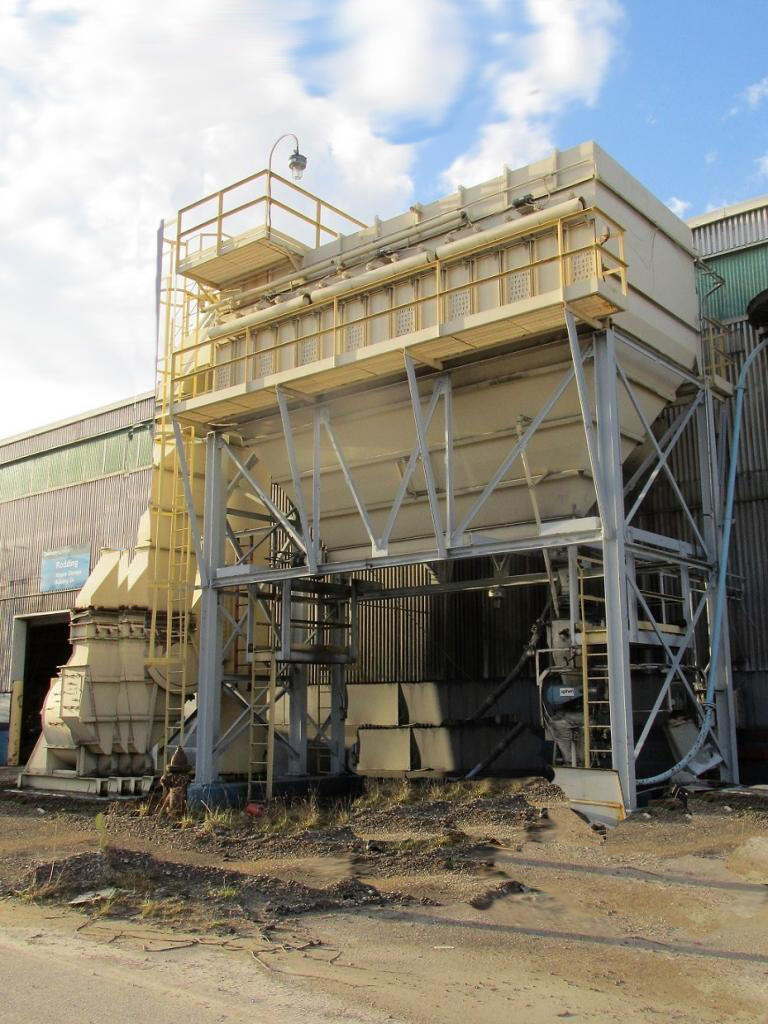
Inside Our Process: How We Refurbish Used Dust Collectors for Peak Performance
When a facility manager or plant operations director considers purchasing a used…
Read Blog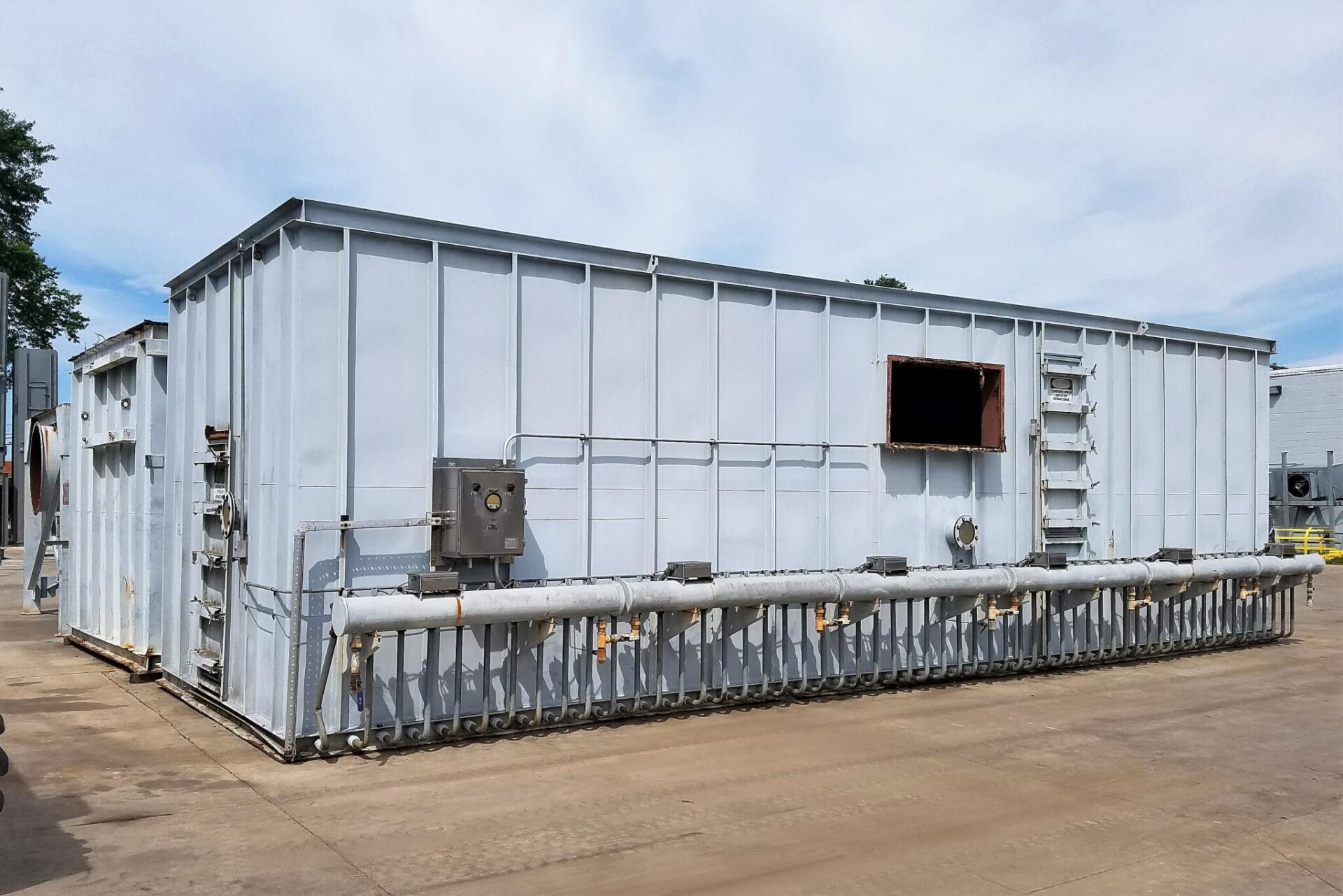
Can a Used Dust Collector Pass an NFPA Check? A Brief Overview.
For facility managers and shop owners, the decision to purchase a used dust coll…
Read BlogAM Industrial Group sells industrial machinery to customers around the globe. If you have a question about any of our products or inventory, you may contact us at info@amindustrialgroup.com, support@amindustrialgroup.com for after-sales questions and support, or simply provide your information on the following form.
"*" indicates required fields