
Precision Performance: A Guide to Selecting Exhaust & Muffler Pipe Benders
Fabricating high-performance exhaust systems is a game of fine margins. You̵…
Read BlogVisit us at AMI Plastics World Expo – Booth #R2506 – Nov. 11-12 – Huntington Convention Center - Cleveland, OH

Winter is notoriously hard on industrial machinery. Between the internal condensation caused by temperature swings and the extra strain on motors during cold starts, your dust collection system has likely taken a beating over the last few months.
As you prepare for a high-output spring, a “business as usual” approach to maintenance can lead to unexpected downtime. Instead of a basic cleaning, we recommend a “point-of-capture to point-of-discharge” audit. Here is how to walk your system and identify the hidden issues winter left behind.
A common mistake is starting maintenance at the collector itself. In reality, system efficiency starts at the tool.
Walk your production line and inspect every intake hood. Over the winter, vibrations or shop floor traffic may have knocked hoods out of alignment. Even a two-inch shift can reduce capture efficiency by 20 percent or more. Next, check the horizontal runs of your ductwork. If your air velocity dropped during the cold months, dust may have “carpeted” the bottom of your pipes. This creates a fire hazard and puts unnecessary backpressure on your fan.
Your Magnehelic gauge is the most honest tool in your shop. If you notice the pressure is higher than it was in November, your filters are likely dirty.
Spring humidity can turn dry winter dust into a “cake” that your pulse-cleaning system cannot remove. If your pressure remains high after a cleaning cycle, it is time to replace them. Operating with dirty filters doesn’t just hurt air quality; it forces your motor to work harder, which spikes your energy bill and shortens the motor’s lifespan.
This is where most systems fail in the spring. As the shop air warms up, moisture levels rise. If your air dryer hasn’t been serviced, that moisture ends up in your collector’s header tank.
When your system pulses wet air into the filters, it effectively turns the dust into mud. Open your drain valves and check for water. If you see more than a few drops, your compressed air system needs immediate attention before it ruins a brand-new set of expensive filters.
Listen to your system. Winter cold can cause grease to thicken and belts to become brittle.
Maintenance can solve many problems, but it cannot solve an undersized system. If you added new CNC machines or fabrication stations over the winter, your “Spring Maintenance” might actually need to be a “Spring Upgrade.”
At AM Industrial, we specialize in helping shops scale their air filtration without the 12-month wait for new equipment. We keep a massive inventory of used dust collectors in stock, from compact units to massive multi-module systems.
If your audit reveals that your system is at its limit, let’s talk. We can help you find a high-capacity solution that fits your floor plan and your budget immediately.
Request a quote on a high-efficiency collector today.
Precision Performance: A Guide to Selecting Exhaust & Muffler Pipe Benders
Fabricating high-performance exhaust systems is a game of fine margins. You̵…
Read Blog
Inside Our Process: How We Refurbish Used Dust Collectors for Peak Performance
When a facility manager or plant operations director considers purchasing a used…
Read Blog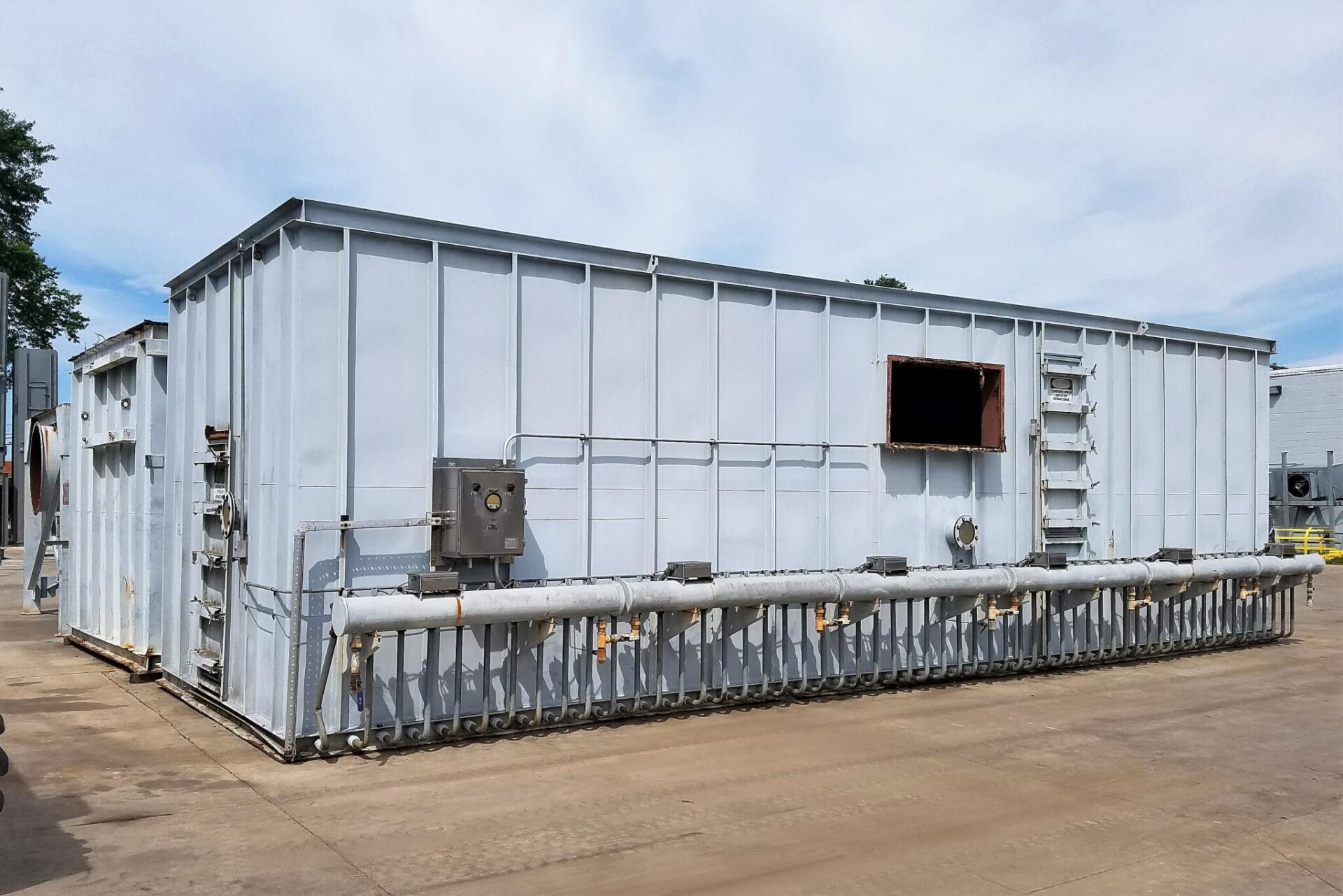
Can a Used Dust Collector Pass an NFPA Check? A Brief Overview.
For facility managers and shop owners, the decision to purchase a used dust coll…
Read BlogAM Industrial Group sells industrial machinery to customers around the globe. If you have a question about any of our products or inventory, you may contact us at info@amindustrialgroup.com, support@amindustrialgroup.com for after-sales questions and support, or simply provide your information on the following form.
"*" indicates required fields