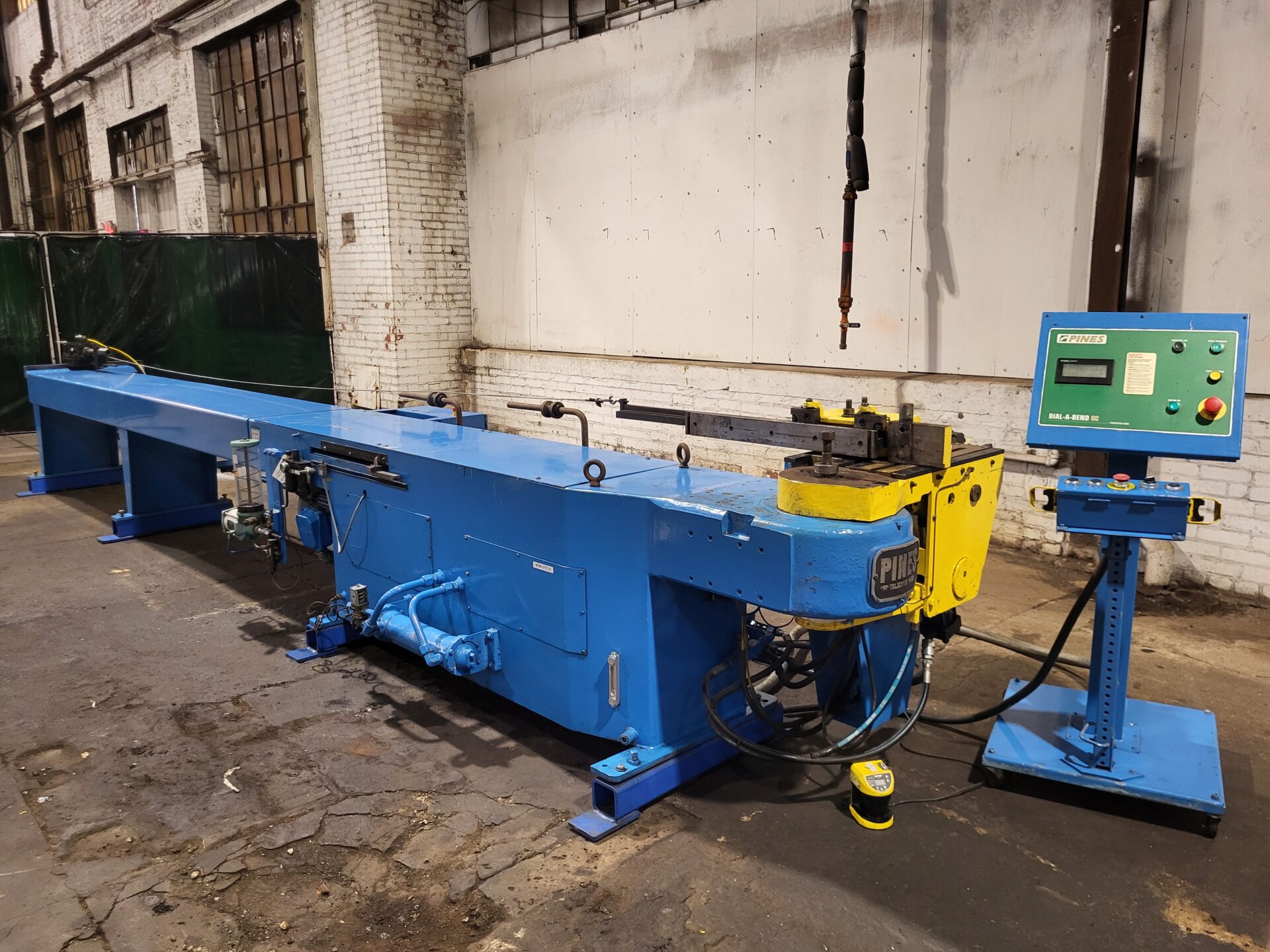
Precision Performance: A Guide to Selecting Exhaust & Muffler Pipe Benders
Fabricating high-performance exhaust systems is a game of fine margins. You̵…
Read BlogVisit us at AMI Plastics World Expo – Booth #R2506 – Nov. 11-12 – Huntington Convention Center - Cleveland, OH
Most facility managers think about dust collection the same way: pull contaminated air out of the building, push it outside, done. Simple. Safe. Compliant.
What that approach is not, however, is efficient. And in today’s energy cost environment, inefficiency has a very real dollar figure attached to it.
Here is what that simple equation actually costs: every cubic foot of conditioned air your dust collector pulls out of the building has to be replaced. In the winter, that means heating fresh outdoor air from 20 or 30 degrees up to working temperature continuously, every hour your operation runs. In the summer, it means cooling that same makeup air. Heating and cooling replacement air is a significant, ongoing expense that most facilities simply accept as the cost of compliance.
But it does not have to be.
A properly engineered dust collection system can recirculate filtered, cleaned air back into your facility rather than exhausting it outside. The result is a dramatic reduction in heating and cooling costs, potentially thousands of dollars per year, while maintaining full compliance and air quality standards.
This post explains how air recirculation works, what it is worth financially, how upgrading your system opens the door to energy efficiency grants available in 36 states, and how AM Industrial can help you get there.
When a dust collector runs, it draws air from inside your facility and processes it. Older systems and improperly configured ones simply discharge that air to the outside atmosphere. That discharged air has to be replaced by your make-up air handlers, and that replacement air has to be conditioned to match your facility temperature.
This creates what is known as a “make-up air load,” and it is one of the largest hidden energy costs in industrial facilities.
Consider a mid-sized dust collection system running at 10,000 CFM (cubic feet per minute) on a standard production schedule. According to Donaldson Torit’s technical analysis of dust collector exhaust air, running that system in a cold-weather climate while exhausting conditioned air outside can generate annual heating costs of $15,000 or more per year, costs tied entirely to replacing the conditioned air the system throws away. That figure compounds year over year, every year the system operates.
The math is straightforward: the more conditioned air you discharge outside, the harder your heating and cooling systems have to work. The harder they work, the higher your utility bills.
The answer is not to stop running your dust collection system – it is to return the filtered air back into the building rather than exhausting it outdoors.
Air recirculation captures the cleaned, processed air from the outlet of your dust collector and routes it back into your facility. Instead of permanently losing that conditioned air, and paying to condition fresh air to replace it, your facility retains the heated or cooled air it already paid for.
The energy savings are substantial. According to Baghouse.com’s analysis of air recirculation systems, a 10,000 CFM dust collection system configured for air recirculation in a cold-weather climate can save $1,500 to $1,600 per month on heating costs alone. Donaldson Torit’s own cost modeling for an equivalent system operating 168 hours per week in Madison, Wisconsin, puts the combined annual heating and cooling savings at just under $16,000 per year, recurring every year the system operates. And that is before accounting for additional fan energy savings from lower-pressure-drop media.
Not every dust collector can safely recirculate air into an occupied building. The key requirements:
High-performance filtration media. The primary dust collector must use high-efficiency filter media capable of removing particulates to levels safe for occupied spaces. Pulse-jet cartridge collectors and high-performance baghouse systems using quality filter media are well-suited for recirculation configurations.
Secondary monitoring filters. Most design best practices call for HEPA or high-efficiency ASHRAE monitoring filters downstream of the primary collector. A relatively common approach is the addition of HEPA or ASHRAE filters as monitoring filters between the collector and the exhaust back into the building; they show relatively rapid increases in pressure drop when they capture small quantities of dust, alerting the operator to an apparent leak in the primary filter.
Combustible dust evaluation. Facilities handling combustible dusts require additional engineering review before recirculating air. Recirculation may require detailed hazard analysis, explosion protection upgrades, and additional suppression or isolation devices; each application must be evaluated individually.
Proper system balance. Return air should be directed back to the same zones from which it was originally captured to maintain proper pressure balance across the facility.
When these elements are in place, recirculation is not just safe; it is one of the most cost-effective operational improvements an industrial facility can make.
If your current dust collection system is older, undersized, or not configured for recirculation, an upgrade or a replacement with a high-quality used system makes strong financial sense.
Old systems are inefficient by design. Older collectors often use commodity filter media with higher pressure drop, meaning they consume more fan energy to move the same volume of air. Modern high-performance media available in well-maintained used equipment runs at lower pressure drop, reducing fan energy costs year-round.
Recirculation unlocks recurring annual savings. An upgraded system configured for air recirculation delivers $15,000+ in annual heating savings that repeat indefinitely. That is a powerful return on a capital investment.
Used equipment dramatically lowers the entry cost. A high-quality used dust collector from AM Industrial typically costs 30-70% less than an equivalent new unit. That reduced entry cost compresses your payback period substantially.
Energy efficiency grants can fund part of the upgrade. This is where the opportunity gets even more compelling.
Here is something many facility managers and plant operations directors do not know: the capital cost of upgrading to an energy-efficient dust collection system may be partially or substantially covered by state-funded energy efficiency programs.
Thirty-six states currently offer some form of grant, rebate, or incentive program for businesses that invest in energy efficiency improvements, including equipment upgrades that reduce facility energy consumption.
These programs vary by state but commonly include:
Programs in states like Pennsylvania, Maryland, New Jersey, Illinois, and others have been specifically structured to support commercial and industrial facilities upgrading mechanical systems, including air filtration and ventilation equipment, when the upgrade produces measurable energy savings.
For example, Pennsylvania’s Small Business Advantage Grant program has supported small businesses investing in energy efficiency and pollution prevention equipment. Maryland’s Commercial and Industrial (C&I) Grant Program supports facility-level upgrades with an electricity savings goal of at least 20%. New Jersey’s RETROFIT NJ program offers grant awards to commercial and industrial building owners for large-scale energy efficiency projects.
The key: upgrades that reduce make-up air load and facility heating costs qualify as energy efficiency improvements. A dust collection system reconfigured or replaced to enable air recirculation, reducing the continuous demand on your HVAC and make-up air systems, fits squarely within the scope of these programs.
The best starting points are:
The combination of reduced operating costs, state grant funding, and the lower upfront cost of quality used equipment creates a compelling financial case for acting now rather than continuing to pay high heating bills on an inefficient legacy system.
Lower acquisition cost = faster payback. Buyers of used industrial equipment typically save 30–70% off original MSRP, meaning the energy savings recoup your investment significantly faster than a new unit purchase. Grant funding accelerates this further.
Domestic availability. AM Industrial’s inventory is U.S.-based and available to ship quickly, not tied up in international supply chains with unpredictable lead times.
Proven performance. Industrial-grade dust collection equipment from brands like Donaldson Torit, Camfil Farr, RoboVent, and MAC Process is built to last decades. A properly refurbished used unit delivers the same performance as new at a fraction of the cost.
Inspection and documentation. Every unit AM Industrial sells has been inspected and tested. We provide full operational specifications; exactly the kind of documentation state grant applications require when claiming energy efficiency improvements.
If your facility is currently exhausting conditioned air outside through an older dust collection system, you are paying a recurring energy cost that does not have to exist.
Here is how to move forward:
Request a Quote | View Dust Collector Inventory | Contact Our Team
Sources
Precision Performance: A Guide to Selecting Exhaust & Muffler Pipe Benders
Fabricating high-performance exhaust systems is a game of fine margins. You̵…
Read Blog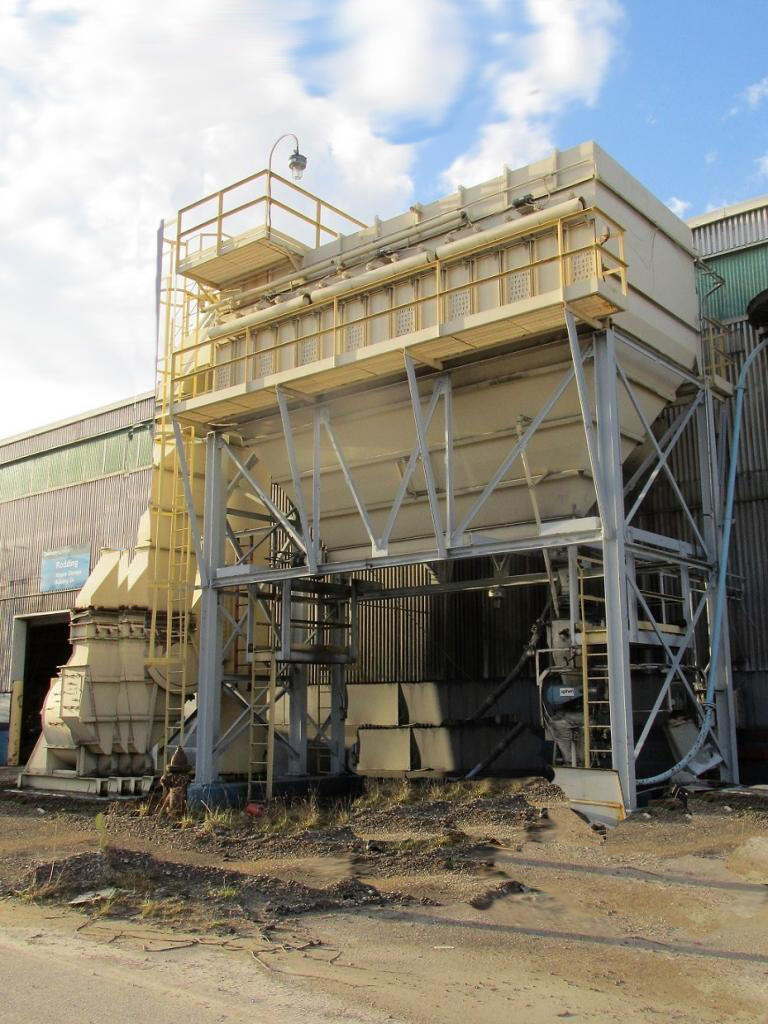
Inside Our Process: How We Refurbish Used Dust Collectors for Peak Performance
When a facility manager or plant operations director considers purchasing a used…
Read Blog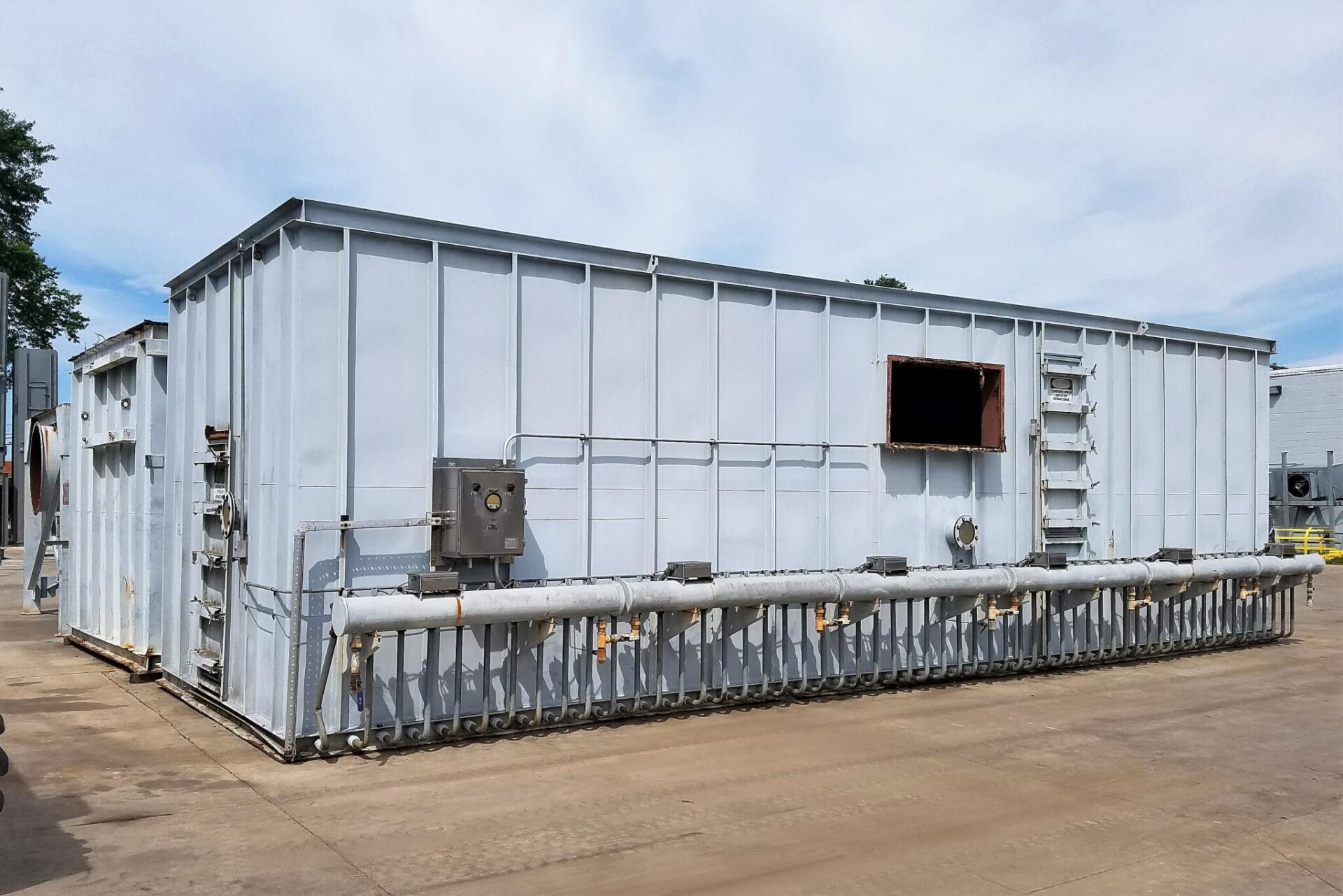
Can a Used Dust Collector Pass an NFPA Check? A Brief Overview.
For facility managers and shop owners, the decision to purchase a used dust coll…
Read BlogAM Industrial Group sells industrial machinery to customers around the globe. If you have a question about any of our products or inventory, you may contact us at info@amindustrialgroup.com, support@amindustrialgroup.com for after-sales questions and support, or simply provide your information on the following form.
"*" indicates required fields