
Precision Performance: A Guide to Selecting Exhaust & Muffler Pipe Benders
Fabricating high-performance exhaust systems is a game of fine margins. You̵…
Read BlogVisit us at AMI Plastics World Expo – Booth #R2506 – Nov. 11-12 – Huntington Convention Center - Cleveland, OH
A dust collection system is a setup designed to capture, filter, and dispose of dust and debris generated during various manufacturing or industrial processes. The collector unit is designed to capture and remove dust particles, smoke, and fumes, keeping the area clean and safe, and minimizing dust in the workspace.
Dust collection is essential for workers’ safety and health. Proper dust collection can also reduce equipment maintenance costs.
Common dust collector types include cartridge filters (for fine dry dust), baghouses (capable of higher temperature air, moisture, and/or high loading), cyclones (for heavier particles), mist collectors (for oils and coolants), and wet collectors (for flammable / explosive dusts).
The primary components include a dust collector unit to filter the air, and a fan to create airflow. Industrial dust collection systems have cleaning systems to extend the life of the filters.
Some factors to consider include the type and volume of dust, particle size, desired level of filtration, and the working environment.
Key steps include identifying dust sources, determining the path from the source to the dust collector, sizing the collector based on airflow requirements, and ensuring proper air velocity throughout the system.
Filter cleaning or replacement frequency depends on dust load and type, but regular maintenance is essential to maintain optimal performance.
Maintenance includes checking filter condition with differential pressure gauge, maintaining the filter cleaning assembly, inspecting the system for leaks or dust pass-through, emptying collected dust, monitoring fan performance, and addressing any malfunctions promptly.
Signs of potential issues include decreased airflow, excessive pressure drop across the filters, visible dust leaks, increased noise levels, or a decline in filtration efficiency.
Precision Performance: A Guide to Selecting Exhaust & Muffler Pipe Benders
Fabricating high-performance exhaust systems is a game of fine margins. You̵…
Read Blog
Inside Our Process: How We Refurbish Used Dust Collectors for Peak Performance
When a facility manager or plant operations director considers purchasing a used…
Read Blog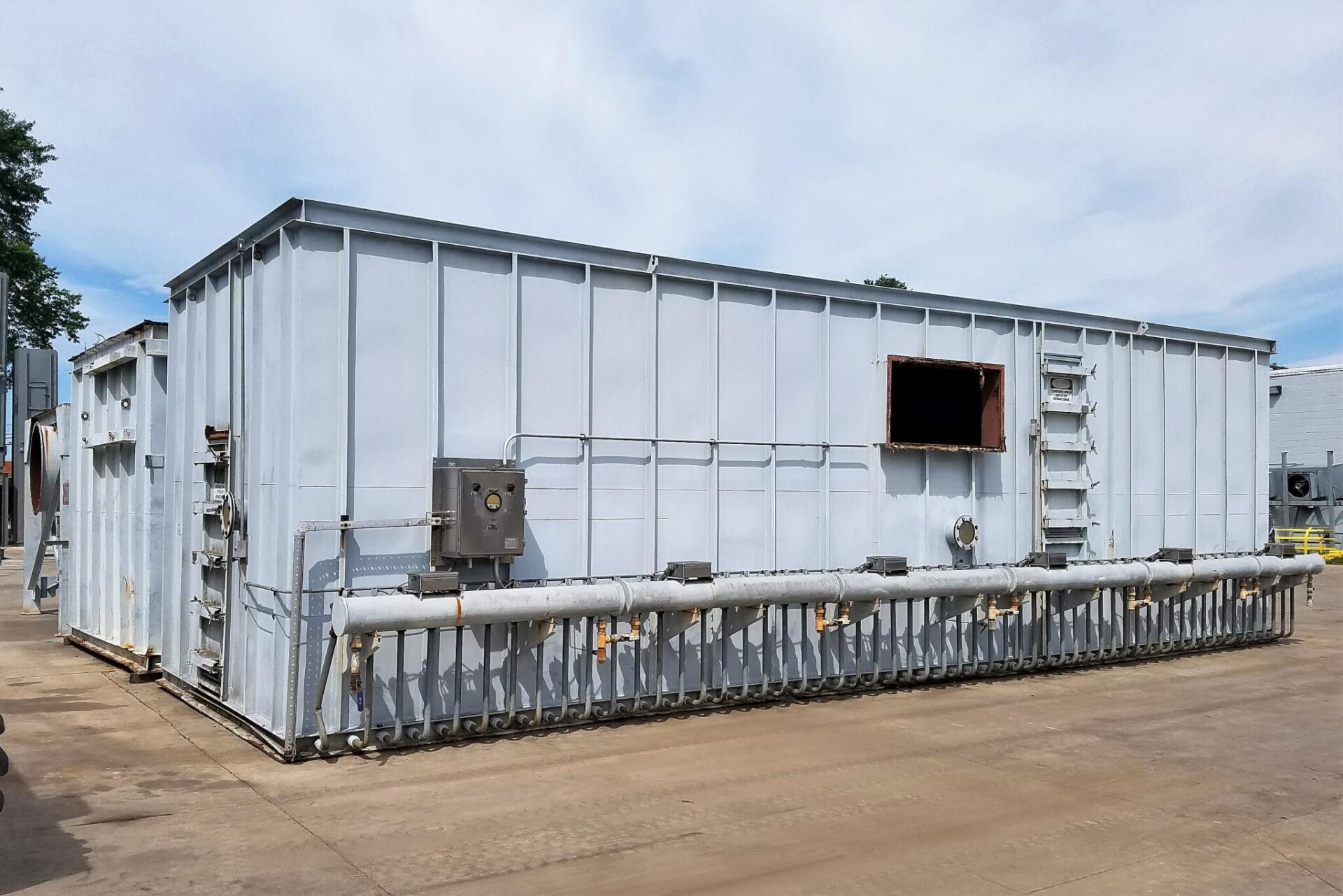
Can a Used Dust Collector Pass an NFPA Check? A Brief Overview.
For facility managers and shop owners, the decision to purchase a used dust coll…
Read BlogAM Industrial Group sells industrial machinery to customers around the globe. If you have a question about any of our products or inventory, you may contact us at info@amindustrialgroup.com, support@amindustrialgroup.com for after-sales questions and support, or simply provide your information on the following form.
"*" indicates required fields